
Table of Contents
Most growing businesses hit the same wall. The founder is involved in daily operations. The team lacks clear direction. Revenue is climbing, but the systems underneath are starting to crack. A fractional COO and executive coach may be the most strategic hire you never thought to make.
This guide explains what a fractional COO/executive coach does, who needs one, and how to find the right fit. If you’re scaling fast and need senior operations leadership without a full-time price tag, read on.
What Is a Fractional COO / Executive Coach?
A fractional COO/executive coach is a senior operations leader who works with your business on a part-time or retainer basis. They bring C-suite experience to your team – without the $250,000-$350,000 salary and equity package of a full-time hire.
However, this role is more than just operational. The best fractional COOs also function as executive coaches. They help founders and leadership teams communicate better, make sharper decisions, and grow as leaders alongside the business.
Think of it as two services in one. You get a hands-on operator who runs day-to-day execution. You also get a trusted advisor who coaches you through the hard decisions. Together, these roles close the gap between where you are and where you need to be.
Many founders discover this need too late. They hire a fractional executive after months of operational chaos. The smarter move is to bring one in early – before the cracks become crises.
Why the Demand for Fractional COOs Is Rising
The rise of fractional executives is not a trend. It’s a structural shift in how businesses access senior talent.
Here’s what’s driving demand:
- Startups are scaling faster. Speed requires operational infrastructure that most founding teams lack.
- Full-time COO costs are prohibitive. At early stages, that budget is better deployed elsewhere.
- Founders are overwhelmed. The skills that build a product are not the same skills that scale a business.
- Investors expect operational maturity. Before Series A or B, boards want to see clean systems, clear KPIs, and a team that executes.
Furthermore, the executive coaching component has become inseparable from operations. Founders who don’t invest in their own leadership development often become the ceiling of their company’s growth. A fractional COO/executive coach addresses both problems simultaneously.
What Does a Fractional COO / Executive Coach Actually Do?
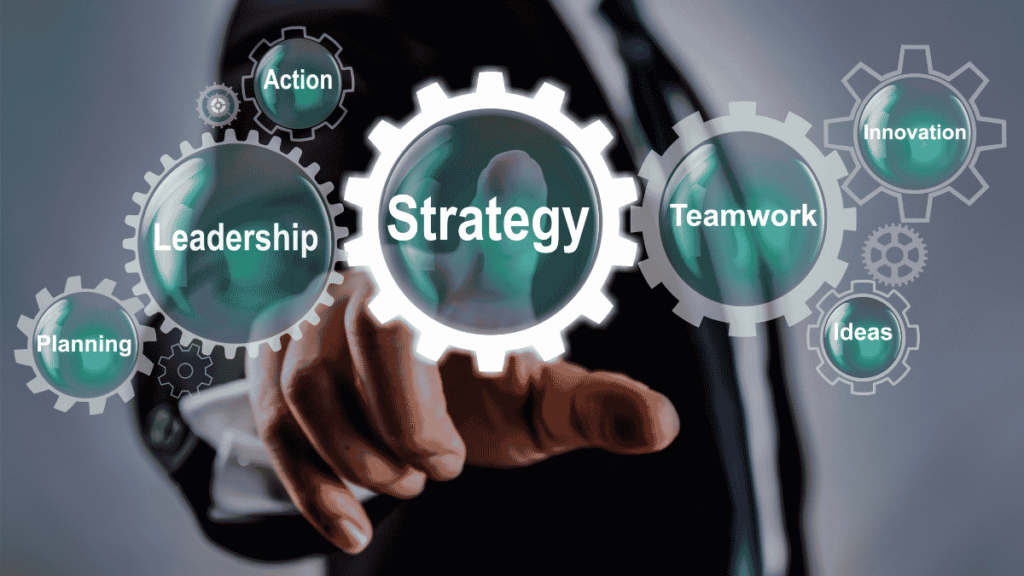
The scope varies by engagement, but most fractional COOs operate across three layers:
Layer 1 – Operations & Execution
- Set up and optimize business processes
- Implement OKR and KPI tracking systems
- Manage vendors, contractors, and project timelines
- Oversee financial planning and bookkeeping systems
- Build onboarding and offboarding procedures
- Run HR processes and talent acquisition pipelines
These are the foundational systems that keep a business running cleanly. Without them, growth creates chaos rather than momentum.
Layer 2 – Strategy & Alignment
- Translate the founder’s vision into an executable plan
- Align cross-functional teams around shared goals
- Identify bottlenecks and operational risks early
- Lead mission, vision, and values workshops
- Prepare the company for fundraising or acquisition
This layer is where a fractional COO bridges the gap between a founder’s ambition and the team’s ability to execute. Many on-demand executives specialize in exactly this kind of strategic translation work.
Layer 3 – Executive Coaching & Leadership Development
- One-on-one coaching for founders and senior leaders
- Co-founder mediation during conflict
- Communication and decision-making frameworks
- Accountability structures for professional development
- Coaching for new COOs or leadership teams in transition
This is the layer most businesses underestimate. A fractional COO who only runs operations without developing the people around them builds systems that don’t outlast their engagement. The coaching layer creates lasting organizational capability.
Signs You Need a Fractional COO / Executive Coach Right Now
Not every business is ready for this hire. However, certain signals make the need clear:
- You’re in constant firefighting mode and can’t think strategically
- Your team lacks clear roles, accountability, or direction
- You’re preparing for a fundraising round, and operations are messy
- You’ve hit a revenue plateau and can’t identify why
- Co-founder or executive team conflict is affecting performance
- You’re scaling fast, and processes haven’t kept up
- You need to hire a full-time COO, but you don’t know what the role should look like
If three or more of these apply, you’re already overdue. The good news is that a skilled fractional COO/executive coach can produce visible results within weeks, not months.
Businesses that engage fractional C-level executive services early consistently outperform those that wait until the operational damage is already done.
Fractional COO vs. Business Coach: Understanding the Difference
This distinction matters. Many founders confuse the two roles.
A business coach gives advice and frameworks. They help you think through problems, set goals, and develop personally. However, they don’t execute. They don’t manage teams or build systems.
A fractional COO is a working executive. They are accountable for outcomes, not just conversations. They build processes, manage people, own deliverables, and hit deadlines. When the coaching element is added, you also get the developmental support – but always grounded in execution.
In short, a business coach helps you think better. A fractional COO/executive coach helps you think better and do better.
Understanding the difference helps you engage the right person at the right stage. For more clarity on how fractional talent management works at the executive level, it’s worth exploring how these engagements are typically scoped and staffed.
How Fractional COO Engagements Are Structured
Most fractional COO/executive coaches operate through one of three models:
Retainer-Based: A fixed monthly fee for ongoing part-time engagement. Best for companies that need consistent operational leadership over 3-12 months. This is the most common model for growing startups and SMBs.
Project-Based: A defined scope with a predetermined fee. Best when there’s a specific outcome – a fundraising process, an operational audit, or a system build-out.
Hourly / Advisory: Best for specific guidance or when time requirements vary significantly. Less common for COO-level work but used for coaching engagements.
Understanding how fractional executives are paid helps you set budget expectations before your first conversation. Most engagements cost significantly less than one month of a full-time COO salary, while delivering comparable impact.
What to Look for When Hiring a Fractional COO / Executive Coach
The right fractional COO is not just operationally strong. They also need to be a cultural fit, a strong communicator, and a credible coach.

Look for these qualities:
- Proven execution track record – not just strategy, but actual operational results
- Coaching or mentorship experience – formal training is a plus, but track record matters more
- Industry familiarity – they don’t need to be a sector specialist, but they should understand your business model
- Emotional intelligence – COO-level work involves navigating conflict, managing teams, and influencing without authority
- Flexibility – the best fractional operators adapt their model to your stage and needs
Ask for case studies or references. Specifically ask how they’ve handled operational breakdowns or co-founder conflict. Those answers reveal more than a polished pitch deck ever will.
If you’re evaluating multiple options, treat it like you would evaluating fractional CFO services for tech startups – apply the same rigour to your fractional COO search.
The Executive Coaching Component: Why It Matters More Than You Think
Founders rarely fail because of bad products. They fail because of operational chaos, poor decisions under pressure, and leadership blind spots they never address.
Executive coaching tackles these root causes directly. It creates space for reflection outside the daily grind. It builds self-awareness. It sharpens decision-making. Moreover, it gives founders an accountable partner for their own growth – not just the company’s growth.
The most effective fractional COO/executive coaches integrate coaching into operations organically. They coach in the work, not separate from it. They debrief after hard decisions, reframe problems during team conflict, and hold founders accountable for the behaviours that drive long-term results.
This is why the combined role is becoming the preferred model for forward-thinking founders. They want an operator who also develops them. That combination is rare and extraordinarily valuable.
Industries and Business Types That Benefit Most
The fractional COO/executive coach model works across many sectors. However, certain business types benefit most:
- Venture-backed startups preparing for a Series A or B round
- SMBs growing past the $500K-$2M revenue threshold, where founder-led operations break down
- Nonprofits needing operational structure without full-time overhead
- Professional services firms are expanding headcount rapidly
- Family businesses navigating leadership transitions
- PE-backed portfolio companies that need rapid operational improvement
For businesses at the early stage, the combined fractional COO and coaching model delivers more value per dollar than almost any other leadership investment. If you’re also considering how this fits into a broader talent strategy, understanding the best headhunting services for scaling startups is a logical next step.
How to Measure the ROI of a Fractional COO / Executive Coach
ROI on operational leadership is real and measurable. Look for improvements in:
- Revenue per employee – operational efficiency drives this metric
- Gross margin – streamlined processes reduce waste and cost
- Time-to-hire – better systems accelerate talent acquisition
- Leadership retention – coached leaders stay longer and perform better
- Fundraising readiness – clean operations directly impact valuation and investor confidence
Beyond numbers, track qualitative outcomes too. Is the founding team spending more time on strategic priorities? Are key decisions being made faster? Is conflict resolution happening constructively rather than destructively?
These shifts are the early indicators that the fractional COO/executive coach engagement is working – often before the financial metrics catch up.
Final Thoughts
The fractional COO/executive coach is one of the most versatile and high-leverage investments a growing business can make. You get operational expertise, strategic alignment, and leadership development – all without the full-time cost or commitment.
The businesses that scale sustainably are not the ones with the best product alone. They are the ones with operational foundations strong enough to support rapid growth. A fractional COO/executive coach builds that foundation while developing the people who will maintain it long after the engagement ends.
If you’re ready to explore what hiring a fractional executive looks like for your business, the first step is a conversation. Start there
Frequently Asked Questions
Q: How is a fractional COO different from a COO as a service?
A fractional COO and a COO as a service are largely the same thing. Both give you access to senior COO-level expertise on a part-time or retainer basis. The term “COO as a service” simply highlights the flexible, on-demand nature of the model. Either way, you get executive operations leadership without the cost of a full-time hire.
Q: Can one person really serve as both COO and executive coach?
Yes, and the best fractional COOs do exactly that. Operational leadership naturally involves developing the people around you – coaching is built into the work. When a COO also coaches, they build teams that perform independently over time. That self-sufficiency is the real measure of a successful engagement.
Q: How long does a typical engagement last?
Most retainer-based engagements run between 3 and 12 months, depending on the scope of work. Project-based engagements can be shorter when the objective is clearly defined. Many companies bring their fractional COO back as the business enters new growth phases. The relationship often deepens and evolves as trust builds over time.
Q: When should I hire a fractional COO instead of a full-time COO?
Hire fractional when your revenue doesn’t yet justify a $250K+ salary and equity package. It also makes sense when you need senior operations leadership immediately but aren’t ready for a permanent commitment. Many founders use a fractional COO to build and define the role first. That clarity makes the eventual full-time hire far more successful.
Q: Does a fractional COO work on-site or remotely?
Both models are common and depend on what your business needs. Many fractional COOs work primarily remotely with scheduled on-site visits for key team sessions or strategy days. The engagement structure should reflect your team’s working style and the complexity of your operations. Flexibility is one of the core advantages of the fractional model.
Q: How do I know if executive coaching is included in my fractional COO engagement?
The honest answer is – ask directly during your scoping conversation. Some fractional COOs include founder and leadership coaching as part of their standard service. Others offer it as a separate add-on depending on time and scope. Either way, be explicit upfront about whether coaching is a deliverable so expectations are clear from day one.
Q: What’s the first thing a fractional COO typically does when they start?
Most fractional COOs begin with a structured discovery and audit phase. They map existing processes, interview key team members, and surface operational risks the business may not have noticed. From there, they define what success looks like and identify quick wins. Visible improvements often appear within the first two to four weeks of engagement.

The Veepwork Team is a collective of experienced operators, founders, and senior leaders who have built, scaled, and optimized companies from early stage to the Fortune 500. Drawing on real-world execution across fundraising, operations, product, and growth, the team shares practical insights to help founders move faster and make better decisions when the stakes are high.